
My Story
Wanda Adams
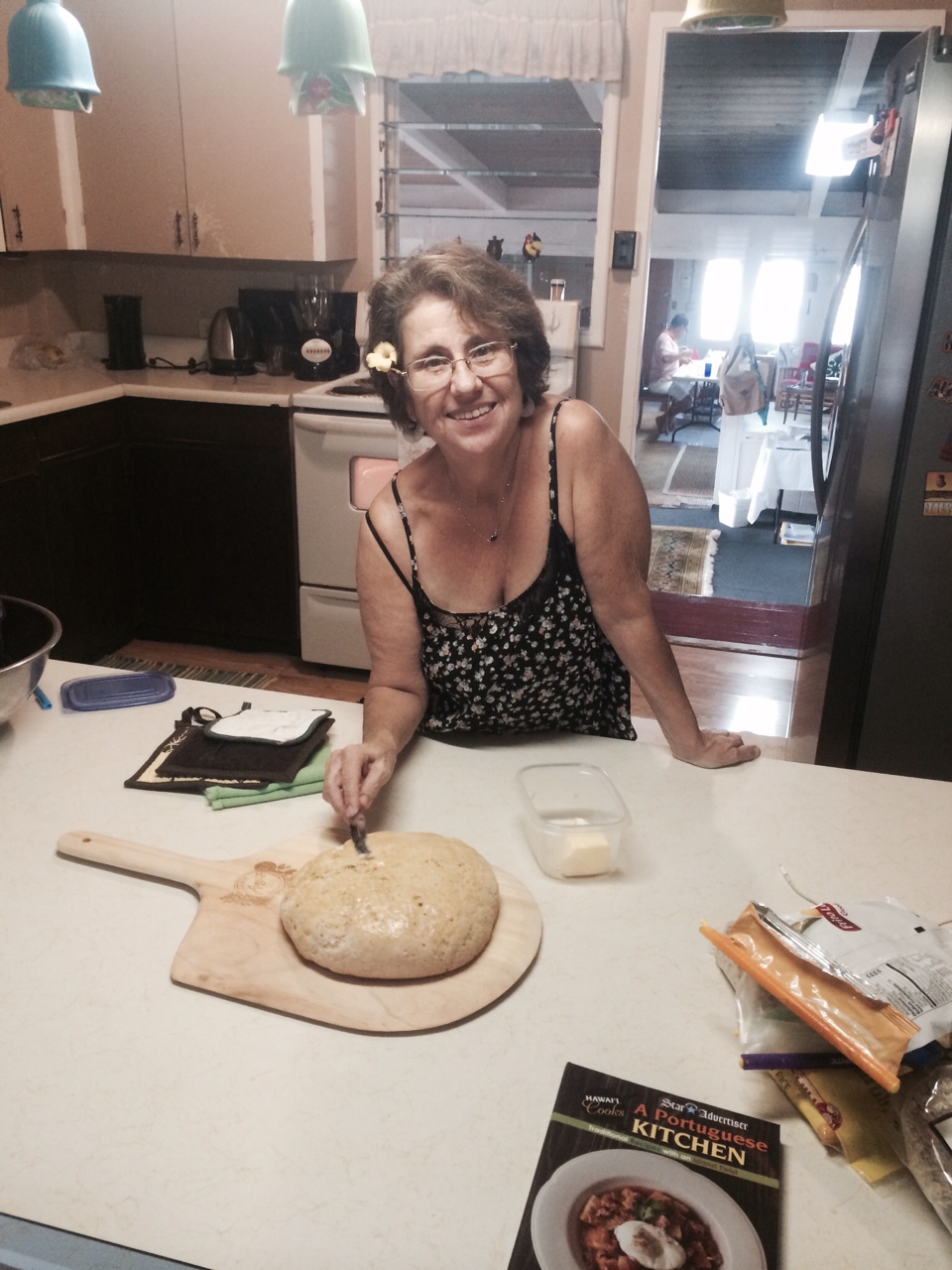 Wanda Adelaide Adams is a Mauian, raised in verdant, storied ‘Iao Valley. Her parents operated the 20-room Hotel ‘Iao Needle with its happenin’ bar and “fine dining” restaurant. She learned to cook from her Portuguese grandmother and netted pesky white moths among Grandpa’s couves (cabbage), but never inherited his gardening skill. No threat from her harassed mother could keep her out of the hotel kitchen.
Wanda grad Lunas ’69 (she once sang the entire school song in Hawaiian at the top of her lungs in the midddle of Alan Wong’s Restaurant). She got her degrees in journalism and English literature from UWashington (“Go Huskies!”). In the Northwest, she learned to grub for chanterelles in the woods, dig for clams on the beaches, wander apple orchards for mix-and-match batches of luxuriant apple butter, cannily shop the tucked-away corners of the Pike Place Market, line her pantry with home-canned, jewel-bright jars of preserves and, of course, to smoke a salmon. (She did NOT learn, however, how to write a short sentence.)
For 15 years, she was uniquely situated to report on the development of the Pacific Regional Cuisine movement as a feature and food writer at The Everett Herald and later the Seattle Post-Intelligencer.
Returning home in 1989, she was among those who documented another foodie revolution, Hawai’i Regional Cuisine, which, for 25 years has malama’d our farms and food producers, fed us and taught us to buy and eat local.
Her job of love was at the late, lamented (by her, anyway) Honolulu Advertiser where as food editor she got the chance of her life when she was asked to write a history of food through the pages of the then-150-year-old newspaper. The result was the bestselling 2005 book, “Island Plate, 150 Years of Foodlore and Recipes from The Honolulu Advertiser.” She followed this with Island Plate II and three other books of her own and two for which she acted as editor. Read the rest of My Story here
Only the Best
Coming Soon
A new edition of my best selling book!
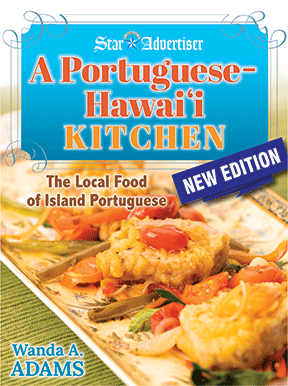
Featuring these ALL NEW dishes
Grilled Fillet
Sed ut perspiciatis unde omnis iste error sit voluptatem accusantium doloremque laudantium, totam rem aperiam, eaque ipsa quae ab illo inventore veritatis et quasi architecto beatae vitae dicta sunt.
Chicken Breast
Sed ut perspiciatis unde omnis iste error sit voluptatem accusantium doloremque laudantium, totam rem aperiam, eaque ipsa quae ab illo inventore veritatis et quasi architecto beatae vitae dicta sunt.
King Crab
Sed ut perspiciatis unde omnis iste error sit voluptatem accusantium doloremque laudantium, totam rem aperiam, eaque ipsa quae ab illo inventore veritatis et quasi architecto beatae vitae dicta sunt.
Sea Trout
Sed ut perspiciatis unde omnis iste error sit voluptatem accusantium doloremque laudantium, totam rem aperiam, eaque ipsa quae ab illo inventore veritatis et quasi architecto beatae vitae dicta sunt.
Roasted Bakra
Sed ut perspiciatis unde omnis iste error sit voluptatem accusantium doloremque laudantium, totam rem aperiam, eaque ipsa quae ab illo inventore veritatis et quasi architecto beatae vitae dicta sunt.
Roasted Bakra
Sed ut perspiciatis unde omnis iste error sit voluptatem accusantium doloremque laudantium, totam rem aperiam, eaque ipsa quae ab illo inventore veritatis et quasi architecto beatae vitae dicta sunt.
Testimonials
What People are Saying

“A Great Find”
“Lorem ipsum dolor sit amet, consectetur adipiscing elit. Aliquam eu ante eu lectus ornare porta.“
Divi
“Fabulous food & flawless service”
“Nunc molestie eros nec eros auctor, a dapibus diam iaculis. Aliquam erat volutpat. “
Bloom
“Another successful experience”
“Lorem ipsum dolor sit amet, consectetur adipiscing elit. Aliquam eu ante eu lectus ornare porta.“
Extra
“Speechless”
“Nunc molestie eros nec eros auctor, a dapibus diam iaculis. Aliquam erat volutpat.”
Monarch
Don’t Miss
Our News And Events
Sed ut perspiciatis unde omnis iste natus error sit voluptatem accusantium doloremque laudantium, totam rem aperiam.
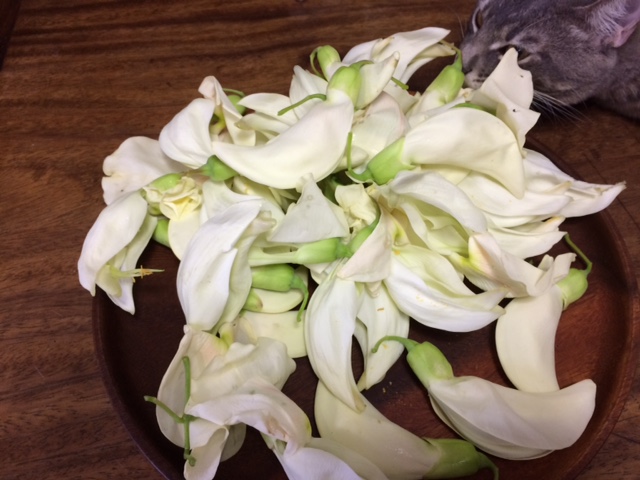
Bloggin’, oooooh, baby, I’m a bloggin’ on home…
I'm so happy to be back in blogspace even if dealing with technology affects me about like aspirin does my allergic husband: I turn red, swell up and say bad words. I've spent the last few days playing with calamansi (Philippines lime, tiny little mini-citrus that...
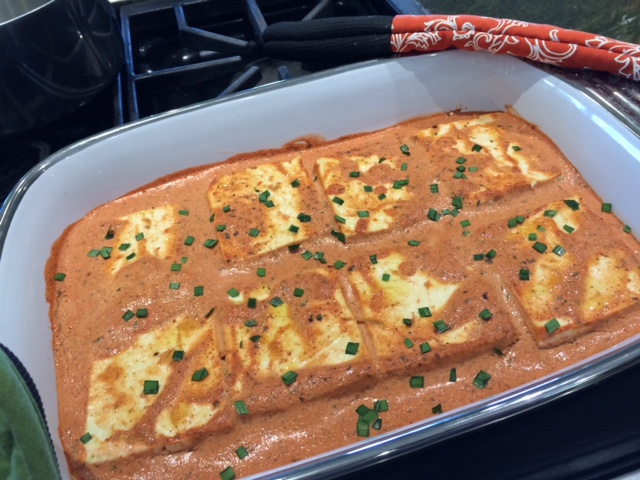
Tandoori — you spice up my life
I love tandoori and even without the traditional oven, I can concoct a spice mixture that passes for the real thing. Husband and I ate tandoori for days recently while I experimented — with a little help from Ka’iulani Spices. This Honolulu-based...
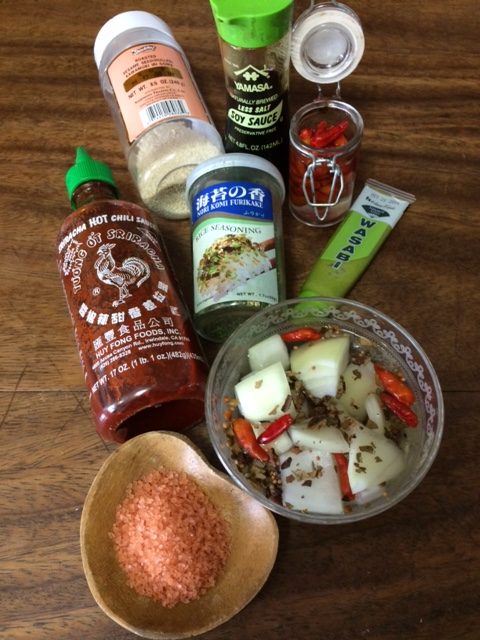
Does your kitchen say aloha?
Is this you? If so, you just might be a local. Whenever you cook, you cook too much. There’s a rice cooker on your counter. When it’s time to cook, you wash the rice. Because there’s always rice. You put small-kine vinegar in the rice water (so the cooked rice lasts […]
Drop Us a Line
Don’t be shy. Let us know if you have any questions!